Why Your Team Keeps Misunderstanding Each Other, and the Playful Practice That Actually Changes It
You send one clear message. Three people reply with three different interpretations. By Thursday, there is a meeting to discuss the meeting about the message. 😬
If you are searching for a team communication workshop in Toronto, you have already done the hard part: you named the problem. Most teams stop at "we need better communication" and book a lunch. Lunch has never fixed a misread email.
Communication breaks in specific ways, so it helps to fix it in specific ways. Below are six common breakdowns and the kind of exercise that works on each. Every exercise comes from the games in our Empathy & Communication PLAYshop.
Why Bad Communication Costs More Than Awkward Meetings 💸
It shows up in the budget, not just the calendar. The Project Management Institute's Pulse of the Profession found that 56 percent of the dollars spent on projects are at risk because of ineffective communications. (That report dates from 2013, but every project lead will recognize the pattern.)
The person in the middle matters most. Gallup estimates that managers account for at least 70 percent of the variance in engagement scores across business units, while its 2026 global workplace report puts manager engagement at 22 percent. The people your team relies on to communicate are running low.
6 Communication Breakdowns and the Exercise That Fixes Each 🔧
1. Meetings That Need Meetings
The symptom: Everyone left nodding. Nobody left with the same plan.
What is really happening: Instructions feel clear to the person giving them, because the whole picture is already in their head.
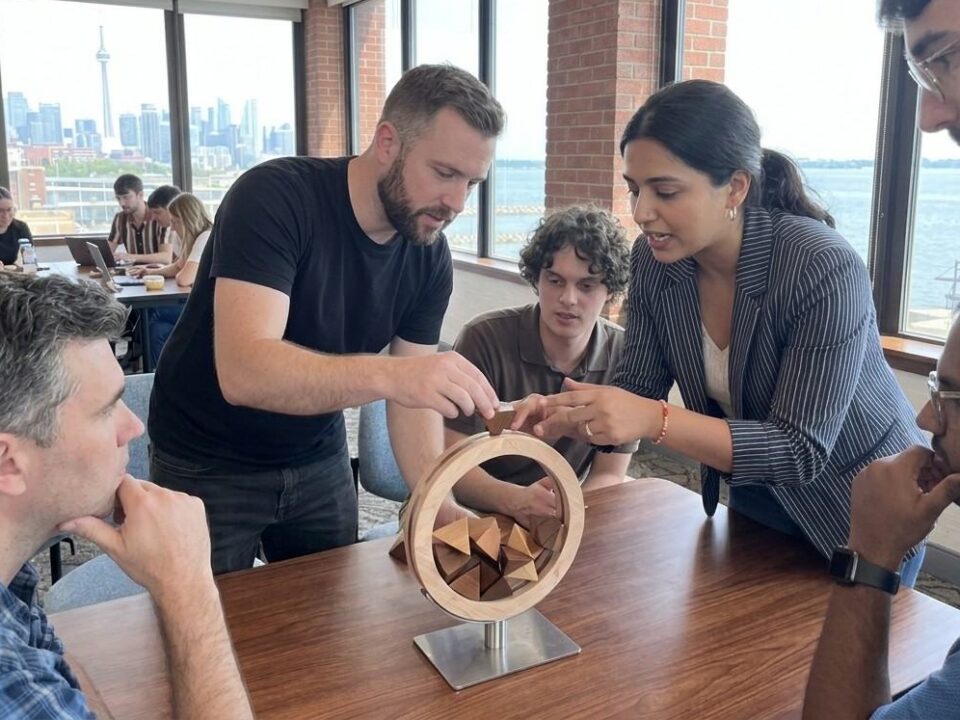
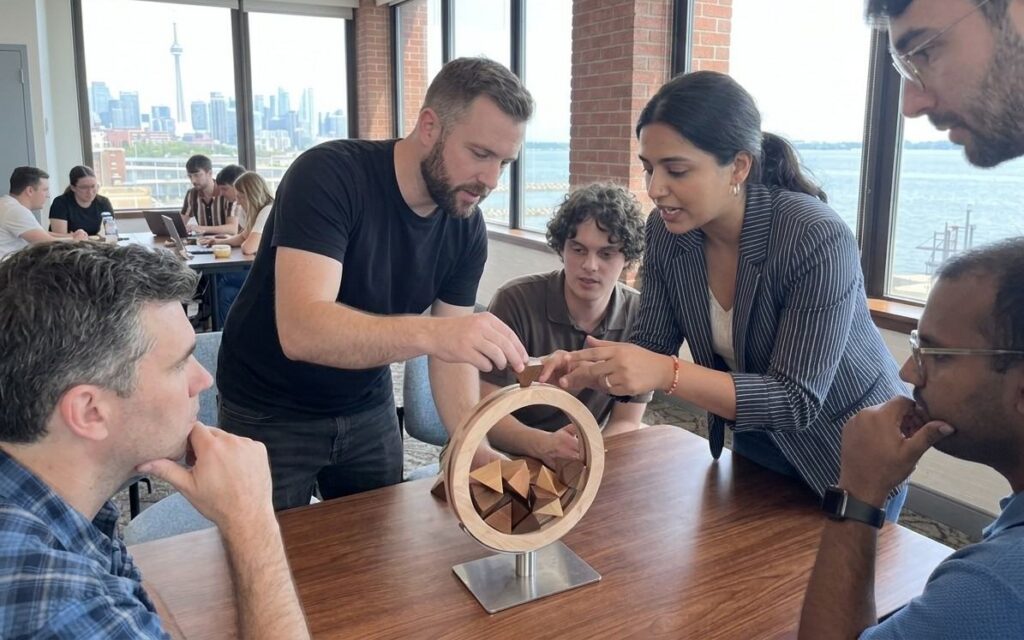
The fix: The Empathy Build, a 30-plus minute blindfolded puzzle that small teams can only solve by truly understanding each other. When "just put it over there" stops working, people find out how vague their instructions were, then fix them in real time. It trains: clear instructions and checking for understanding.
2. Messages Read the Wrong Way
The symptom: A one-line Slack message lands like a threat.
What is really happening: We fill gaps with assumptions, and the assumptions are rarely kind.
The fix: Judging Police, a game built to surface the snap judgments we make about each other so we can catch them before they turn into replies. It trains: setting judgment aside. For more of this flavour, see our 8 empathy activities for teams.
3. Everyone Talks, Nobody Listens
The symptom: People are waiting for their turn, not for the point.
What is really happening: Listening is a skill, and most of us were never trained in it.
The fix: First/Last (listen-loop-dip) an active-listening game where you earn your turn by showing you heard the last person. It trains: active listening.
4. The Quiet Ones Stay Quiet
The symptom: The same three voices in every meeting, and the best idea dies in someone's notebook.
What is really happening: Speaking up feels risky, so people run the math and stay silent.
The fix: Pancakes vs Waffles, A fun multi-round game where you need to keep one thing in the world and get rid of another. The key is how you decide as a group and if everyones voices are heard. It trains: being heard, and hearing others.
5. Feedback That Lands Like a Grenade
The symptom: Someone gives feedback and the room goes cold.
What is really happening: Feelings went unread. The words were fine. The reaction to them was not anticipated.
The fix: Hotseat Emotions or Consultants, practice at recognizing what someone is feeling and asking a better question before responding. It trains: reading emotions. The manager-level version is in Emotional Intelligence in the Workplace: A Manager's Guide.
6. Departments Speaking Different Languages
The symptom: Sales and ops use the same word and mean different things.
What is really happening: Each team sees the work from its own side of the table.
The fix: Minute of Minutae, a perspective-taking game that has people stand in another role's shoes, literally and figuratively, while making a message relevant to them. It trains: perspective-taking.

What a Team Communication Workshop Looks Like in Toronto 📍
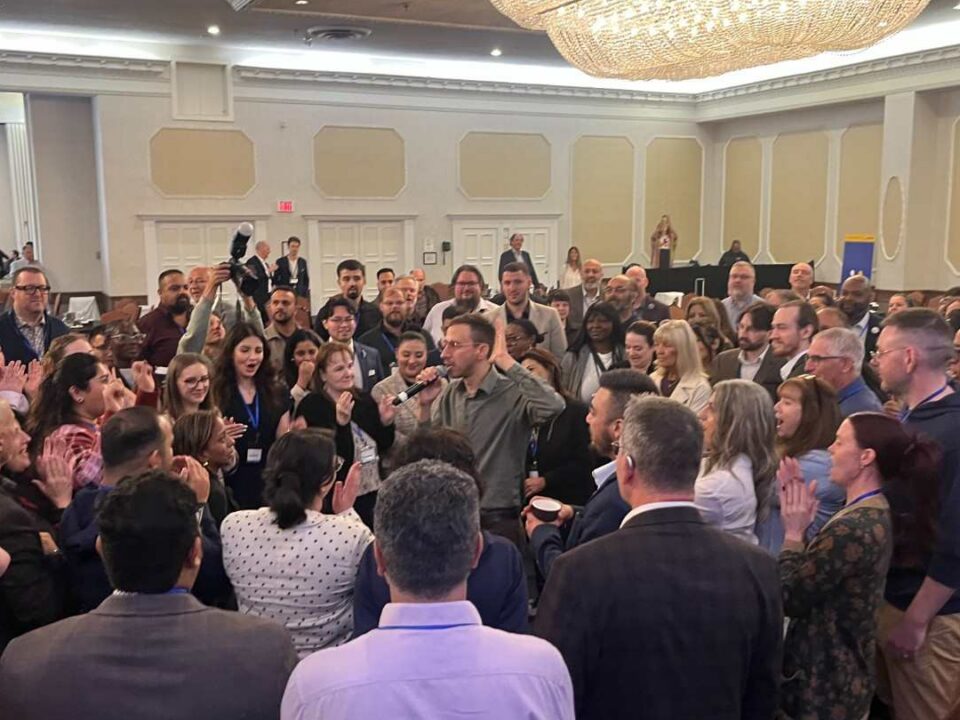
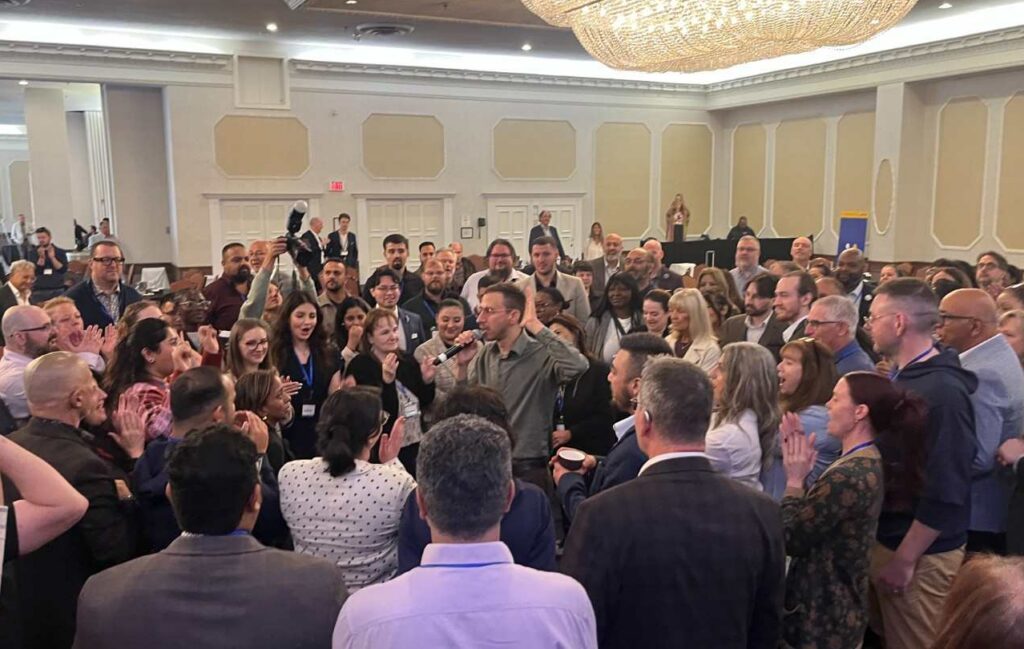
Our communication sessions are in person, playful, and anchored in real workplace conversations. They cover four skill areas: perspective-taking, setting judgment aside, recognizing emotions, and communicating understanding. Each area pairs short games with a discussion about how it plays out at work, and the session closes with a recap and takeaways.
Most run two to four hours, and groups of around 20-50 get the most airtime, which matters because communication is a practice sport: the more turns people take, the more it sticks. We come to you, whether you are in the Financial District, Mississauga or Markham, at your office, a hotel or an event space.
Make It Stick: What to Do the Week After 💡
A workshop starts a habit. It does not finish one. Our sessions close with HomePlay, short follow-up activities that keep the skills in circulation. You can add your own:
- Name the breakdown. When a meeting goes sideways, say which of the six it was. Naming it takes the blame out.
- Replay before you reply. Borrow from Listen-Loop-Dip: summarize what you heard before adding your point.
- Ask one better question. Before reacting to feedback, try "what makes you say that?"
For the leadership-level version, our Communication Training program is built for managers and executives. And if your team needs a quick primer first, start with our guide on how to improve communication skills.
FAQ: Team Communication Workshop in Toronto
Ready to Fix the Communication Gap for Good? 🎉🎉
Pick the Empathy & Communication PLAYshop if the gap is about listening and understanding each other, or our Teamwork PLAYshop if it is more about working well together. Either one can be customized to fit your team.
No pitch deck. No pressure. Just a really good conversation.
👉 Let's play. 🎉