Leadership Offsite Activities: How to Design a Retreat That Actually Changes Something
The offsite starts well. A lodge two hours north of the city, a facilitator with a flip chart, a strategy deck that took six weeks to build. Day one ends with a dinner and one genuinely honest conversation. Then everyone drives home, opens their laptops, and by the following Wednesday the same two executives are having the same argument about the same thing. 🙃
Leadership offsite activities should change how a leadership team works, not just where it meets. If your team is planning one in Toronto or anywhere in Ontario, here is how to design it so it sticks: pick the job, choose activities that fit it, and plan the 90 days after, which is where most offsites quietly fail.
Why Leadership Offsites Fade by Wednesday 📉
Egon Zehnder describes a pattern CEOs keep reporting: strong discussion and high energy at the offsite, then the gains fade once leaders return to full calendars. Their diagnosis is blunt. Momentum rarely dies because leaders did not care. It fades because no one decided how it would be reinforced.
The stakes are bigger than one retreat. Gallup's State of the Global Workplace 2026 found only 22% of managers worldwide were engaged in 2025, and Gallup estimates that managers account for at least 70% of the variance in team engagement scores. How a leadership team works together does not stay in the boardroom. It travels.
Start With the Job Your Offsite Has to Do 🎯
Most offsite agendas read like a buffet. A little strategy, a little team time, a little wine tasting. The ones that work pick one primary job and build everything around it:
- Align on strategy. The team agrees on three priorities and what it will stop doing.
- Build or repair trust. Common after a reorg, a merger or a rough year.
- Form a new team. New leader, new members, or two teams becoming one.
- Reset after pressure. The team needs energy and honesty before it can plan anything.
Egon Zehnder suggests asking what only this team can do together in person. If it could be a memo, make it a memo and spend the retreat on the conversations that cannot be. Every activity then has to earn its slot by serving the job.
Leadership Retreat Activities That Fit the Job 🧩
Here is how we would match activities to goals:
- Trust and honesty. Harvard's Amy Edmondson found in a 1999 study of work teams that psychological safety shapes how teams learn. A facilitated low-stakes challenge lets leaders practise speaking up, owning a miss and asking for help before the real decisions arrive. Our post on psychological safety activities shows what that looks like in practice.
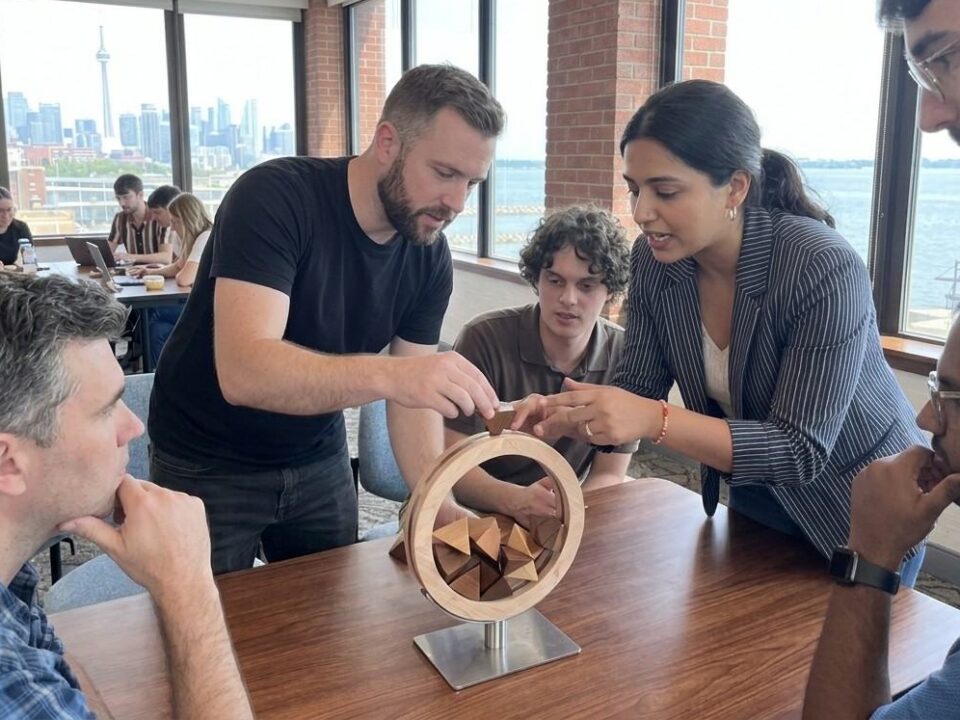
- Communication under pressure. The Empathy Build is a blindfolded puzzle that small teams can only solve by really understanding each other. Titles do not help you find the piece.
- Shared story. Story Swap has everyone share a story and everyone listen. Leaders who can tell the strategy as a story get further than leaders who can only present it.
- Resilience and energy. A game-based session that gets people laughing again is not a distraction after a hard year. It is how you earn candour for the afternoon.
Executive Retreat Activities: Why Golf Is Not a Trust Strategy ⛳
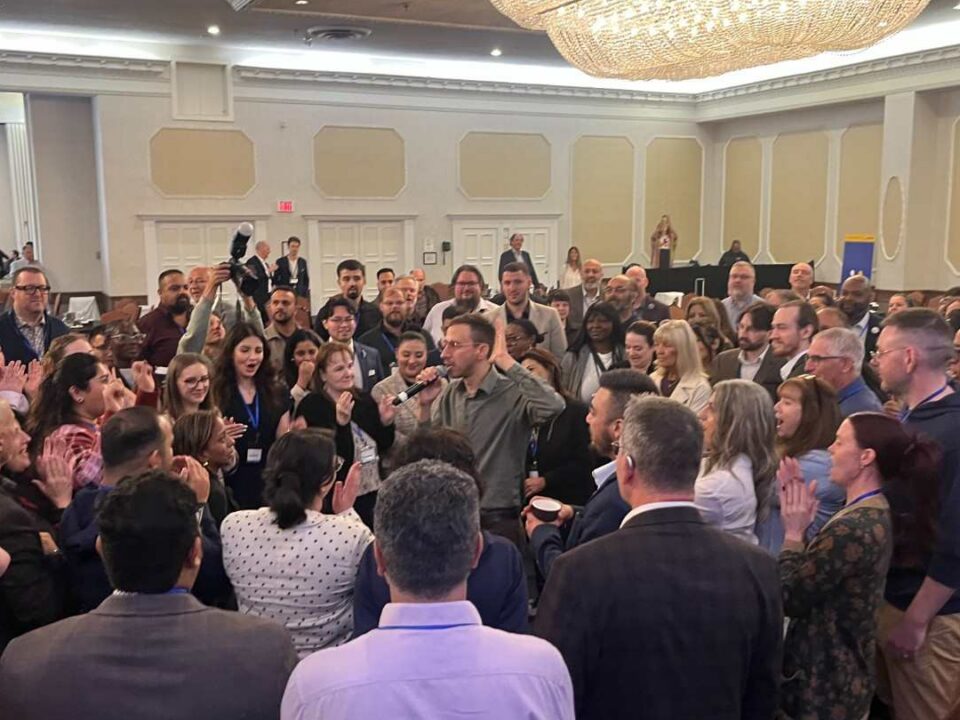
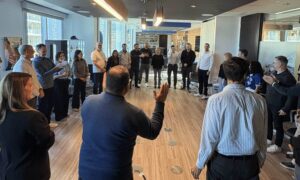
Executives are experts at being right in front of each other. That is useful in a quarterly review and slightly unhelpful when the goal is trust. The most valuable thing an executive retreat can do is create a moment where the CEO is just another person trying to solve a puzzle with incomplete information.
Golf, wine tastings and ropes courses are lovely. They also let the same people sit in the same seats and talk about the same things. Pleasant, not productive. A facilitated session flips that: roles reshuffle, status takes a break, and the person who usually talks first learns what happens when they wait.
Self-awareness matters here too, and our guide to emotional intelligence in the workplace shows how leaders build it. Two details matter here. First, everyone participates, including the most senior person in the room. A CEO watching from the side tells the team that the work is for other people. Second, a trained facilitator runs the debrief. Without one, a good exercise becomes a fun memory instead of a changed habit.
A Two-Day Leadership Offsite Agenda That Holds Up 📅
Sequence matters more than people think. Do the trust work before the hard conversation, not after.
Day one
- Morning: set intent and ground rules. Egon Zehnder's suggested norms are a good start: assume positive intent, stay present, say what needs to be said, and be hard on the problem, not the people.
- Late morning: a facilitated team session aimed at your primary job, whether that is trust, communication or alignment.
- Afternoon: the real strategy conversation, now that people are warmed up and a little less guarded.
- Evening: an unstructured dinner. No slides. Seat people next to someone new.
Day two
- Morning: the hard decisions, while energy is highest.
- Late morning: Each one needs a clear next step, one or two accountable people and a short, time-bound milestone.
- Close: a play-based finale so people leave lighter than they arrived.
Leadership Offsite Ideas in Toronto and Ontario: Venue, Facilitator, Follow-Up 🍁
The venue sets the mood and the facilitator sets the work. For location ideas, our guide to corporate retreat venues in Ontario is a good place to start, and our list of team retreat activities has more formats to mix in. Whether you stay in a Toronto boardroom or drive to cottage country, build the follow-up into the plan before you leave.
Egon Zehnder recommends using the first 30 days to signal the work continues, for example a five-minute 1 to 10 progress rating at the next leadership meeting. Then check in again at 60 to 90 days: did clarity improve, have team dynamics changed, and has the organization felt any difference? For leaders who want ongoing development beyond one retreat, our Toronto leadership training page shows how we build on it, and FUNdamentals of Play is happy to be a sounding board on the offsite itself.
Before you book anyone, ask:
- "What job will this offsite do for our team?" If the answer is "bonding", keep asking.
- "Will leaders take part, or watch?" You want participants.
- "What happens in the 90 days after?" Look for follow-up, not a handshake and a PDF.
FAQ: Leadership Offsites
Ready for a Leadership Offsite That Outlasts Wednesday? 🎉
If your last leadership retreat produced a lovely deck and the same old arguments, let us help you design one that changes how your team works. Our Resiliency PLAYshop or Psychological Safety PLAYshop are a great place to start, and we can customize it around your leadership team, your goals and your agenda. We also have extended sessions that help you integrate it into your annual strategic plans!
No pitch deck. No pressure. Just a really good conversation.
👉 Let's play. 🎉